Films, series, and games can be distributed in several legitimate versions. A theatrical cut, festival version, domestic release, international edition, television edit, director-approved cut, extended edition, uncensored release, and later restoration may all differ while remaining officially authorized.
Finding the version closest to the original therefore requires more than choosing the longest release or assuming that one country always receives the least edited edition. The intended version must first be defined, after which the exact release can be matched with classification records, distributor information, technical specifications, and scene-level comparisons.
Meanings of “Original” in Release Comparisons
A film, series, or game can exist in several legitimate forms, including a theatrical cut, festival version, domestic release, international edition, director-approved cut, television edit, extended edition, uncensored release, or later restoration. For that reason, a version distributed in another country is not automatically more authentic, and the longest release is not necessarily the closest to the original.
The first step is to define the version being sought.
The original theatrical cut is the version first shown to general cinema audiences. It is usually the most appropriate target when historical accuracy is the priority, although it may already contain changes requested by a studio, distributor, classification board, or regulator.
A festival cut may predate the commercial theatrical release. It can include unfinished visual effects, temporary music, alternative editing, or scenes removed before wider distribution. Its earlier screening date does not necessarily make it the final or creator-preferred version.
A production-country release is the edition initially distributed in the country where the work was made. It can help establish the original domestic presentation, but it should not automatically be treated as the creator’s preferred version or as evidence that no alterations were made.
A director-approved or creator-preferred cut reflects a version later endorsed by an authorized creative figure. It may restore deleted scenes, revise the editing, replace visual effects, alter the color grading, or remove material. It can therefore differ substantially from the version originally shown to the public.
An uncut or unrated release may restore material removed from another edition, but the label does not prove that it matches the first theatrical cut or the director’s intentions. An extended edition contains additional material without necessarily representing the preferred pacing or narrative structure.
A restored version may reconstruct a specific historical release or present a later creative revision. The International Federation of Film Archives recommends preserving the editing of the historical version selected for restoration instead of constructing an undocumented hybrid from several editions. The restoration notes should identify the version used as the target and the source materials from which it was rebuilt.
The correct target ultimately depends on the purpose of the comparison. A researcher may need the first theatrical release, while a viewer interested in creative intent may prefer a director-approved restoration. Someone concerned about censorship may instead look for an authorized edition with the fewest documented regional alterations.
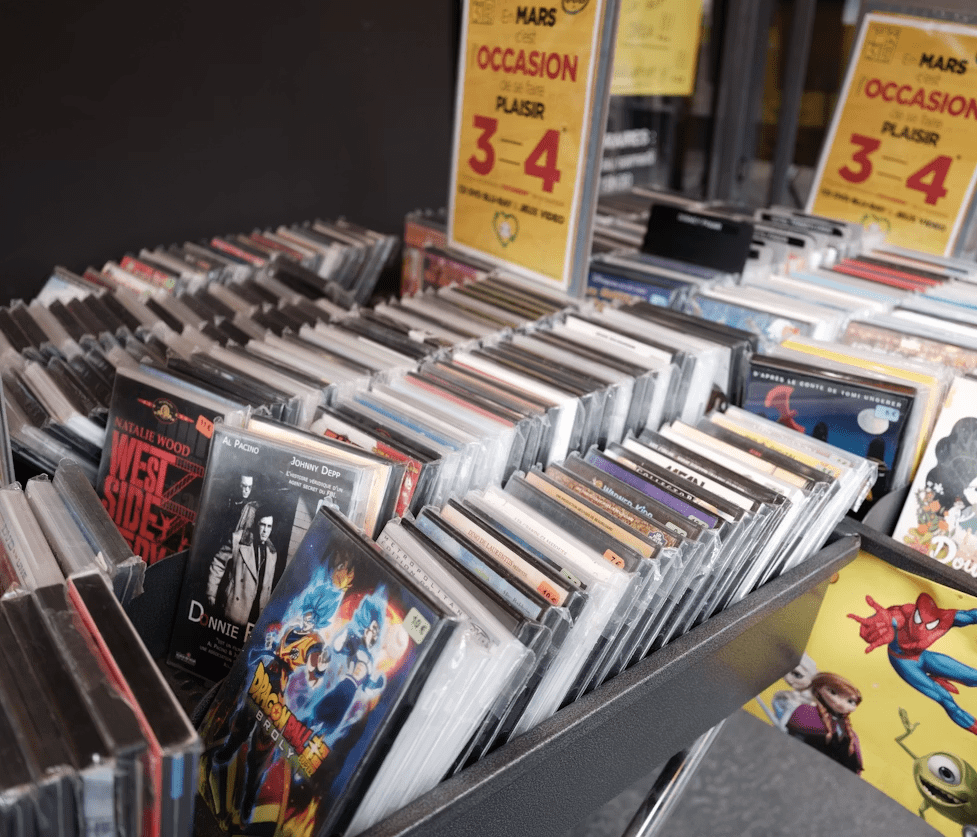
Exact Edition Identification Beyond Country Labels
Country names alone reveal very little. Two releases from the same country can use different masters, while editions sold in different countries may contain exactly the same cut. Streaming services can also replace a master without creating a new listing or clearly announcing the change.
Version names must be treated precisely. The following labels are not interchangeable:
- Theatrical Cut
- Director’s Cut
- Extended Cut
- Unrated or Uncut Cut
- International Version
- Festival Cut
- Television Edit
- Airline Version
- Restored Version
Marketing phrases such as “complete,” “definitive,” or “uncensored” are not sufficient evidence by themselves. Before buying, renting, or streaming a release, identify its exact cut name, distributor, release year, format, and available catalog information.
For a physical edition, record the UPC or EAN, disc catalog number, publisher, distributor, region code, included languages, subtitle tracks, audio formats, listed aspect ratio, and runtime. The back cover, disc label, and publisher specifications are generally more useful than a retailer’s shortened product description.
Retailers may reuse artwork, combine reviews from several editions, or apply the same product title to different regional discs. The catalog number and publisher information should therefore match the edition used in any comparison report.
For a streaming version, record the platform, viewing country, date checked, displayed runtime, release year, language tracks, subtitle options, content rating, and any version label shown on the title page. A platform may use identical artwork for several masters, so the thumbnail alone cannot confirm which cut is available.
For games, the platform, regional edition, installed patch version, account region, and downloadable content should also be considered. A launch version may differ from a patched digital copy, while a physical disc can preserve files that were later changed through updates.
A reliable identification should use several matching details. A release that shares only the same title and runtime is less certain than one matched by distributor, release year, format, catalog number, version label, and language specifications.
Classification Records for Country-Specific Changes
Official classification databases are among the strongest sources for identifying alterations made to a particular national release. Depending on the organization, a record may include the submitted runtime, classification date, distributor, intended use, format, version name, and whether cuts or substitutions were made.
The British Board of Film Classification maintains separate entries for cinema, physical media, and some streaming or home-entertainment submissions. Certain records explicitly state that material was cut, substituted, or reduced to obtain a requested age classification.
The BBFC entry for The Pacifier, for example, records that dialogue was substituted to obtain a PG classification and notes that an uncut version was available at a higher rating. The database also distinguishes between its cinema and physical-media submissions. These records support a conclusion about the specified UK releases, not every edition distributed in the country.
The BBFC record for Run Fatboy Run states that strong language was removed to obtain a 12A cinema classification while an uncut 15 classification was available. A later home-entertainment submission is listed separately, illustrating why the format and classification date must be matched to the edition under review.
These examples also demonstrate that a change is not always the result of a complete government ban. A distributor may voluntarily alter material to obtain a lower age rating, satisfy a broadcaster’s standards, prepare an airline version, or meet another commercial requirement. The reason should be described according to the available record rather than assuming that every difference represents the same kind of censorship.
Classification entries provide evidence about the specific submission described in the database. They do not prove that every edition released in that country contains the same alteration. The classification date, distributor, runtime, version, and intended format must match the product or stream being considered.
A different national age rating is not, by itself, evidence of censorship. Classification boards use different standards and category systems, meaning the same unedited work can receive different ratings in different countries.

Runtime Differences and Evidence of Censorship
Runtime can help identify a possible difference, but it should be treated as a warning sign rather than a final answer.
A film originally projected at 24 frames per second can run approximately four percent faster when transferred and played at 25 frames per second in certain PAL television and DVD systems. A two-hour film may therefore appear several minutes shorter even though no scenes were removed.
Other harmless runtime differences can result from:
- Distributor or platform logos
- Opening title cards
- Intermissions
- Localization credits
- Recaps or previews
- Different end-credit lengths
- Restored studio introductions
- Black frames or music after the credits
- Different starting and ending points used by platforms
- Rounded or inaccurate retailer listings
The opposite problem also occurs. A longer version is not always more complete. It may contain longer credits, slower playback, repeated logos, an intermission, or alternate footage that replaces rather than restores original scenes.
Some editions can have similar runtimes while containing substantial changes. A removed sequence may be replaced with alternative footage of nearly the same length. Several brief cuts can also remove dialogue or visual details without creating a large difference in the total runtime.
Before treating a runtime difference as evidence of censorship, compare the format and frame rate, determine whether the listed time includes credits, and examine specific scenes. The useful question is not simply how many minutes are missing, but which shots, lines of dialogue, audio elements, subtitles, or gameplay features differ.
A runtime match should therefore be treated as evidence of a probable version match, not proof that two releases are identical.
Censorship Can Affect More Than Deleted Scenes
Regional editing is not limited to removing complete sequences. A release may retain approximately the same duration while changing how the material is presented.
Possible alterations include:
- Re-recorded or substituted dialogue
- Profanity softened in subtitles or dubbing
- Blood, nudity, symbols or text blurred
- Shots cropped or reframed
- Violent moments shortened by a few frames
- Music replaced because of licensing or cultural restrictions
- Objects, textures or character models changed in games
- Political, religious or cultural references rewritten
- Alternative footage inserted in place of restricted material
- Audio effects reduced or muted
The BBFC has documented cases involving dialogue substitution, removed violent detail and even reduced sound levels, illustrating that classification-related modifications do not always appear as obvious missing scenes.
Subtitles and audio should therefore be verified separately from the picture. A visually complete release may still use softened subtitles, a dub-based translation or dialogue prepared for another cut. Original-language audio is helpful, but it does not prove that the video itself is unaltered.
Aspect ratio also matters. Cropping may conceal visual details without changing the runtime, while a restoration can reveal more image area than an older home-video transfer. Differences in framing are not always censorship, but they must be considered when identifying the closest match to a historical version.
Censorship Beyond Deleted Scenes
Regional editing is not limited to removing complete sequences. A release may retain approximately the same duration while changing how the material is presented.
Possible alterations include:
- Re-recorded or substituted dialogue
- Profanity softened in subtitles or dubbing
- Blood, nudity, symbols, or text blurred
- Shots cropped, enlarged, or reframed
- Violent moments shortened by a few frames
- Music replaced because of licensing or cultural restrictions
- Objects, textures, costumes, or character models changed in games
- Political, religious, or cultural references rewritten
- Alternative footage inserted in place of restricted material
- Audio effects reduced or muted
- Episodes reordered or combined for broadcast
- Opening and ending sequences replaced
The BBFC has documented cases involving dialogue substitution, removed violent detail, and reduced sound levels. This illustrates why classification-related modifications do not always appear as obvious missing scenes.
Subtitles and audio should be verified separately from the picture. A visually complete release may still use softened subtitles, a translation based on the dubbed script, or dialogue prepared for a different cut. Original-language audio is useful, but it does not prove that the video master itself is unaltered.
Aspect ratio also matters. Cropping can hide visual details without changing the runtime, while a restoration can reveal more image area than an older home-video transfer. Framing differences are not always censorship, so the release should be compared with the documented theatrical aspect ratio before reaching a conclusion.
Music replacement is frequently caused by licensing rather than regional content rules. A television series may use its original music during the first broadcast but replace it on DVD or streaming because the original license did not cover later distribution. This is a genuine version difference, but it should not be described as censorship without supporting evidence.
The reason for an alteration should be separated into categories when possible: classification edit, broadcaster edit, localization decision, licensing replacement, technical restoration, creator-approved revision, or unexplained alternate master. When the reason cannot be confirmed, “regional edit” or “version difference” is more accurate than a definitive claim of censorship.
Specialist Comparisons and Official Release Information
Official records may confirm that a release was altered without describing every changed frame. Specialist comparison resources can help fill that gap.
Movie-Censorship.com publishes comparisons of alternate versions of films, television series, comics, and games. Its reports may include timestamps, screenshots, descriptions of removed material, and examples of alternative footage.
DVDCompare focuses on differences among physical releases, including cuts, runtimes, audio tracks, subtitles, extras, and regional editions. Its comparison pages can help distinguish releases that share the same title but contain different cuts or technical specifications.
These resources are most reliable when their information can be matched to the exact distributor, format, catalog number, and release year. A comparison based on an older DVD should not automatically be applied to a later Blu-ray, 4K restoration, digital purchase, or streaming edition.
Before using a comparison report, confirm that it identifies both versions, their formats, runtimes, distributors, frame-rate conditions, and source editions. Screenshots from a different master may demonstrate that a variation exists without proving that the same difference appears in the edition currently being considered.
Final conclusions should be checked against studio announcements, official disc specifications, restoration notes, classification records, and statements from the distributor or production staff. Materials explaining the creators’ decisions can clarify whether a later change represents censorship, technical restoration, or an intentional creative revision.
How to Use Official Guidebooks, Art Books, and Production Staff Interviews to Interpret a Work is particularly relevant when visual or narrative differences cannot be explained through release specifications alone.
Promotional words such as “ultimate” or “definitive” deserve caution unless the publisher explains which source materials were used, which cut is included, what was changed during restoration, and who approved the release.

Evidence Matched to the Exact Release
The strength of a conclusion depends on how precisely the evidence identifies the edition.
An official cut name supported by a studio, distributor, or creator statement provides strong evidence of the edition’s intended status. A classification entry explicitly recording cuts provides strong evidence that the specified submission was altered. A physical or digital edition matched to a detailed scene comparison offers useful practical evidence of specific differences.
Runtime and a version label provide only a probable match. A different age rating, longer duration, or reputation that one country always receives uncensored editions is not sufficient.
Before paying for an imported disc, confirm that the seller’s listing matches the catalog number used in the research. Also verify region coding, playback compatibility, original-language audio, subtitle availability, aspect ratio, and whether the advertised cut appears as the main feature rather than only as deleted scenes in the bonus material.
For streaming, review the listing again shortly before watching. Record the platform, country, date, displayed runtime, version label, audio tracks, and subtitle options. A service may change distributors, replace a master, or update subtitle and audio files without preserving the previous version as a separate option.
Finding a service that offers the title and confirming the exact edition are separate tasks. If the work is no longer available through the service normally used, 주소온길 can help narrow the search by providing categorized information about OTT and other content services. The potential provider must then be checked directly for the current title listing, cut name, runtime, audio, subtitles, viewing region, and availability. A categorized service reference can indicate where to continue the search, but it cannot prove which master the provider currently carries.
When no definitive answer exists, choose the authorized edition with the clearest release identity and the fewest unexplained differences. Do not treat a longer runtime or an “uncut” label as sufficient proof without supporting release information.
A final comparison record should include:
- Target version and the reason for selecting it
- Exact physical edition or streaming listing
- Country and date checked
- Distributor and release year
- Format and catalog number
- Version label and runtime
- Frame-rate or playback-speed considerations
- Audio, subtitle, and aspect-ratio details
- Classification or restoration record
- Scene-comparison source
- Differences that remain unresolved
The most dependable method is to define the intended version, identify the exact release, and trace each claim to evidence that describes the same edition. The first theatrical cut may be appropriate for historical accuracy, a director-approved edition for stated creative intent, or a documented uncut release when avoiding regional alterations is the priority. When these goals point to different versions, the difference should be explained rather than forcing every release into a single definition of the original.